


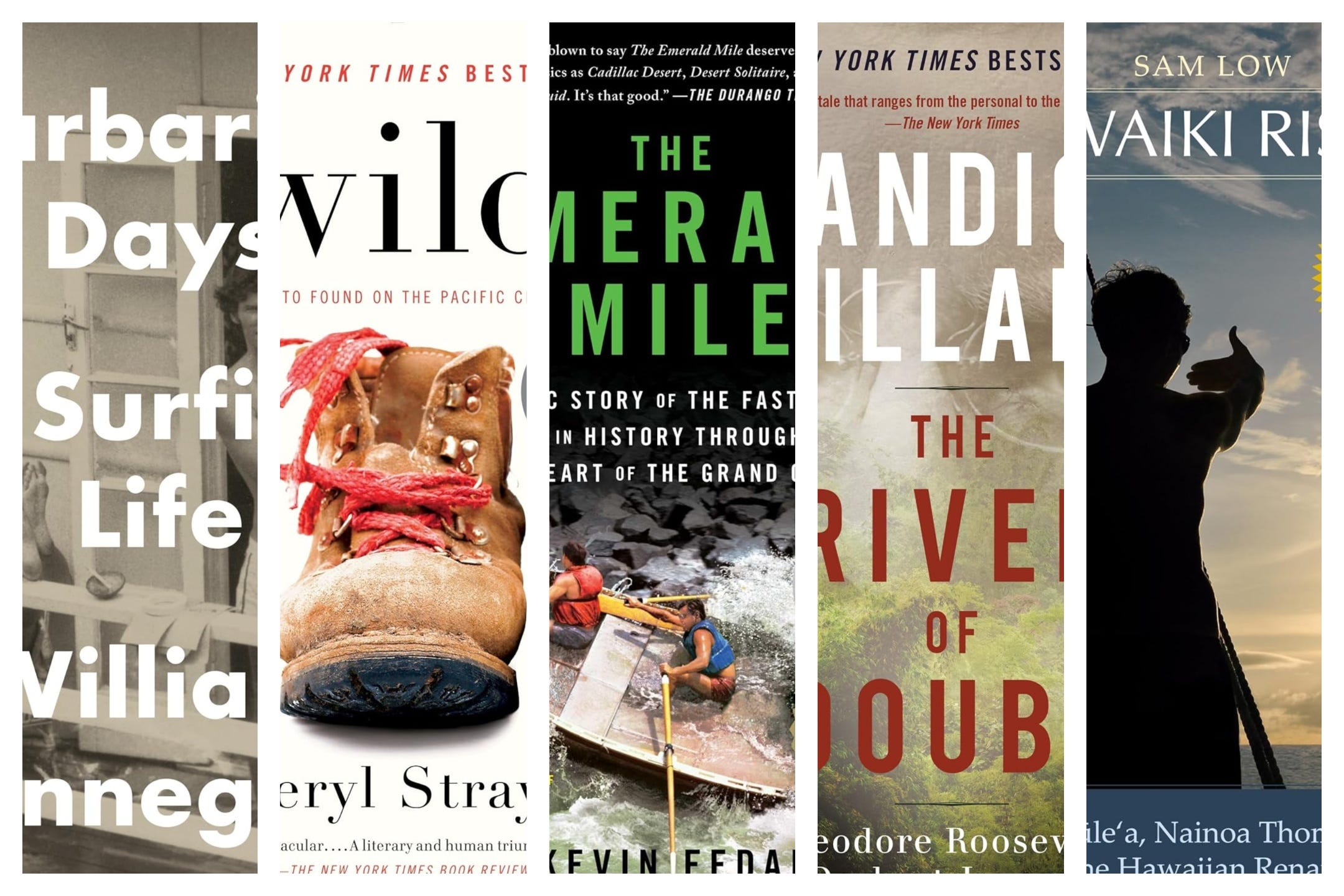
While compiling my list of The 25 Best Science and Nature Books of the 21st Century, I kept thinking back to all of the great sports and adventure books I’ve read over the past 25 years. I knew I had to make another list. My selected titles are varied, but one thread seems to run through many of them—suffering. The authors often detailed the low points—addictions, faults, losses—of their lives or their subjects’ lives as much as the high points. The struggles and failures make the successes stand out more. Death also makes a frequent appearance. But I don’t have one single qualifier for my picks, just that the books moved me or changed my thinking enough that I remembered them, some even decades later.
These picks are admittedly biased. Some of the works I read during stints working at Outside magazine, so many of the titles focus on beats including survival and running. Others I read while working at Smithsonian magazine, so many have a historical component. And several I read to learn more about Hawaii, where I live now. I only picked books I had read (or listened to). Well-reviewed books I haven’t read yet—The Wide Wide Sea, There’s Always This Year: On Basketball and Ascension, Alone on the Wall—are not on the list. Titles had to be published between 2000 and the end of 2024. Finally, I limited myself to only one book per author, though some writers easily could have had more books on the list.
Please think of this collection as a starting point. Any disagreements with my list are not only welcomed, but encouraged. If you’ve read other titles that deserve inclusion, share them in the comments. Selfishly, I want you to recommend books so I have a better list to pick from for my own reading.
One other minor note: If you read this list in your email, no links to the books will appear. But if you read this post on the Substack site, Amazon links will appear below the write-ups. I make a very, very small amount if you click directly from those links and buy a book. But please don’t feel obliged to. And if you don’t need delivery, ideally you’ll head to your local bookstore for a title or two. I know that’s my favorite way to shop for books.
So with all that out of the way, here are my 25 favorite nonfiction sports and adventure books of this century.
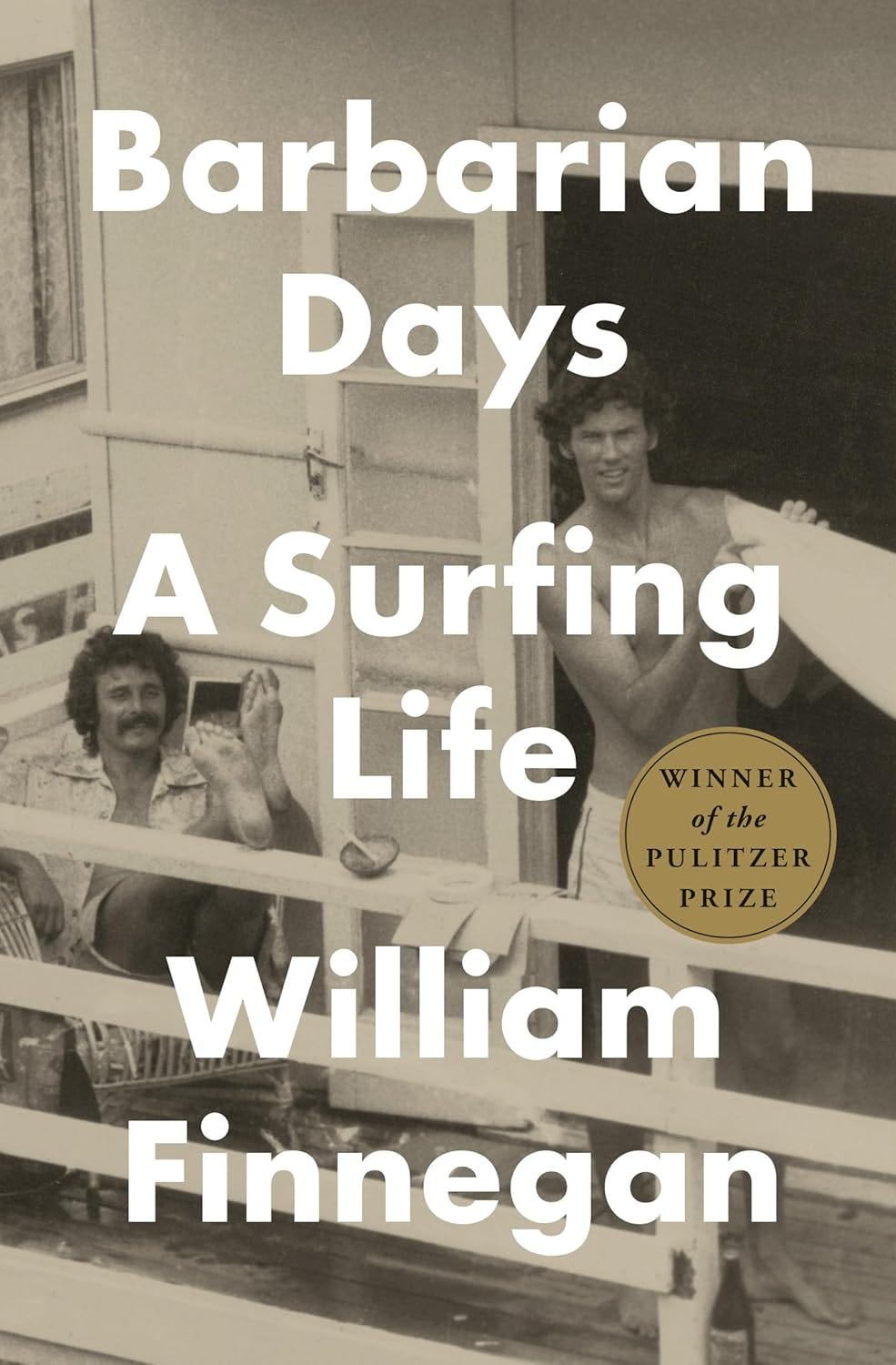
Barbarian Days: A Surfing Life
By William Finnegan
Several surfing books made this list, but this autobiography by New Yorker reporter William Finnegan is the one I recommend most. Finnegan chronicles his early years surfing popular spots in California and Hawaii, and then details his travels around the world to search for novel waves. As he roams, he learns about other cultures, changes his world view, and forms new friendships. The stories about experiencing intense rides and almost drowning in challenging conditions are vivid, but the connections Finnegan makes with people and places make the book a weightier read. They reveal the benefits of pursuing an outdoor passion to the fullest while keeping your eyes and mind open to your surroundings.
On the Burning Edge: A Fateful Fire and the Men Who Fought It
By Kyle Dickman
In June of 2013, twenty wildland firefighters set off to contain a massive blaze in Arizona known as the Yarnell Hill Fire. Nineteen of them died in the effort. Author Kyle Dickman tells their story in gripping, straight-ahead prose without any exaggeration. His narrative succeeds because of thorough reporting that captures the smallest important details, but also because of the context he can offer—gained from years of experience. He was once a wildland firefighter himself and later a reporter on other catastrophic blazes. His understanding of how fires move and the lifestyles of the men and women who try to contain them help him tell this tragic account of the dangerous work of others.
Open: An Autobiography
By Andre Agassi
To write this book, tennis icon Andre Agassi teamed up with Pulitzer Prize winner J.R. Moehringer. The former newspaperman penned the moving memoir The Tender Bar, and Agassi courted the writer after he read that book. The collaboration between the two men results in an honest account of a remarkable athlete’s life with revelation after revelation. Agassi shares moments from his life that are often embarrassing and shocking—about drugs, a wig, giving up—that pulled me in and left me stunned. Readers looking for a book about how the athlete reached such highs will get that—in combination with a work that isn’t afraid to reveal surprising lows.
The Last American Man
By Elizabeth Gilbert
This is the story of Eustace Conway, a man who left his suburban home in the late 1970s at the age of 17 to live off the land. As more and more people are living a life apart from nature, relying on phones and computers and cars, Conway goes in the opposite direction. He wears buckskin clothes from animals he killed, makes fires without using matches, builds his own home, and rides across the country on a horse. And he doesn’t hesitate to explain to others how they might benefit by doing the same sorts of things. Elizabeth Gilbert’s book is an excellent profile of a man going to extremes to live out an iconic old-fashioned American life, and it vividly details how such pursuits impact Conway and those around him.
The Secret Race: Inside the Hidden World of the Tour de France
By Tyler Hamilton and Daniel Coyle
In another book that was a team effort, cyclist Tyler Hamilton and journalist Daniel Coyle tell the inside story of what happened in Lance Armstrong’s inner circle. The book shares how the Tour de France champion and his team doped to achieve victories in cycling’s most revered race. For a long time, Hamilton lied about cheating, but this is his riveting account of the truth, one that helped to expose Armstrong’s lies as the disgraced icon’s tales were falling apart.
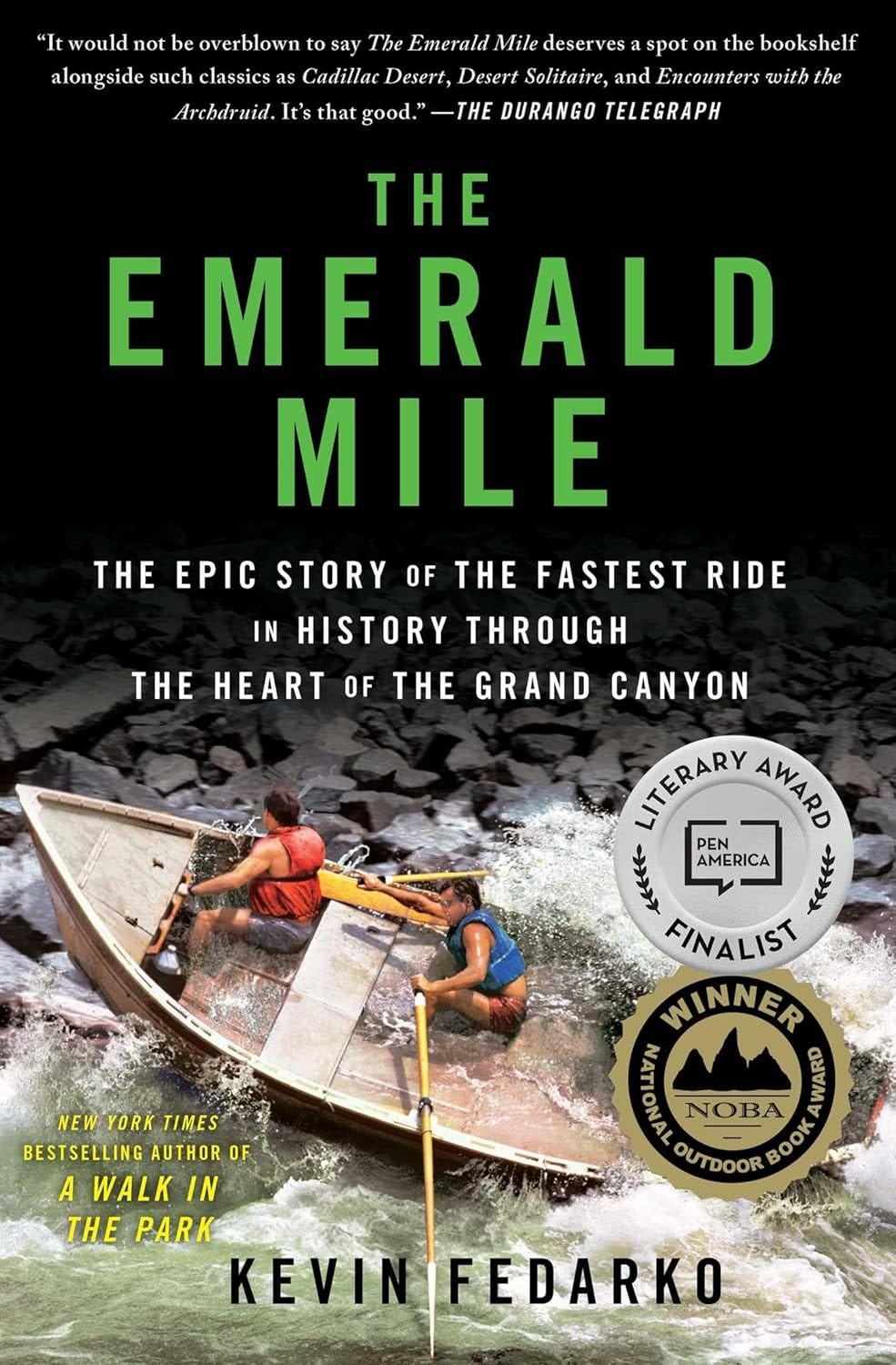
The Emerald Mile: The Epic Story of the Fastest Ride in History Through the Heart of the Grand Canyon
By Kevin Fedarko
In 1983, a team of men took advantage of massive flooding on the Colorado River to launch a wooden dory down the Grand Canyon. Their goal was to complete the fastest ever trip down the heart of the river. The book weaves together the story of the boat (dubbed the Emerald Mile), the man at its oars (Kenton Grua), the dams that control the Colorado River, and the Grand Canyon itself. The gripping account is packed with fascinating details that will entertain anyone hoping to learn more about the history of the canyon and the river that shapes it.
Another notable book by Fedarko: A Walk in the Park
Why We Run: A Natural History*
By Bernd Heinrich
A fascinating memoir by an accomplished ultrarunner and biologist who looks at the abilities of other animals—birds, antelopes, camels, insects—to better understand his limitations and potential. The book astonished me when I first read it because of Heinrich’s ability to weave science with firsthand experience, making this one of the best sports science titles I’ve ever read.
The Sports Gene: Inside the Science of Extraordinary Athletic Performance*
By David Epstein
Why do professional baseball players have such trouble hitting fastpitch softball? What is one of the defining physical characteristic of pro basketball players? Why are so many Jamaicans elite sprinters? Epstein deftly answers these questions and more as he explores how much athletic success in certain sports is a result of nature or nurture. This book is on the top shelf, along with Why We Run, of the best sports science books.
*These two books were also on my list of The 25 Best Science and Nature Books of the 21st Century. They are excellent titles that I think deserve inclusion in this collection, too.
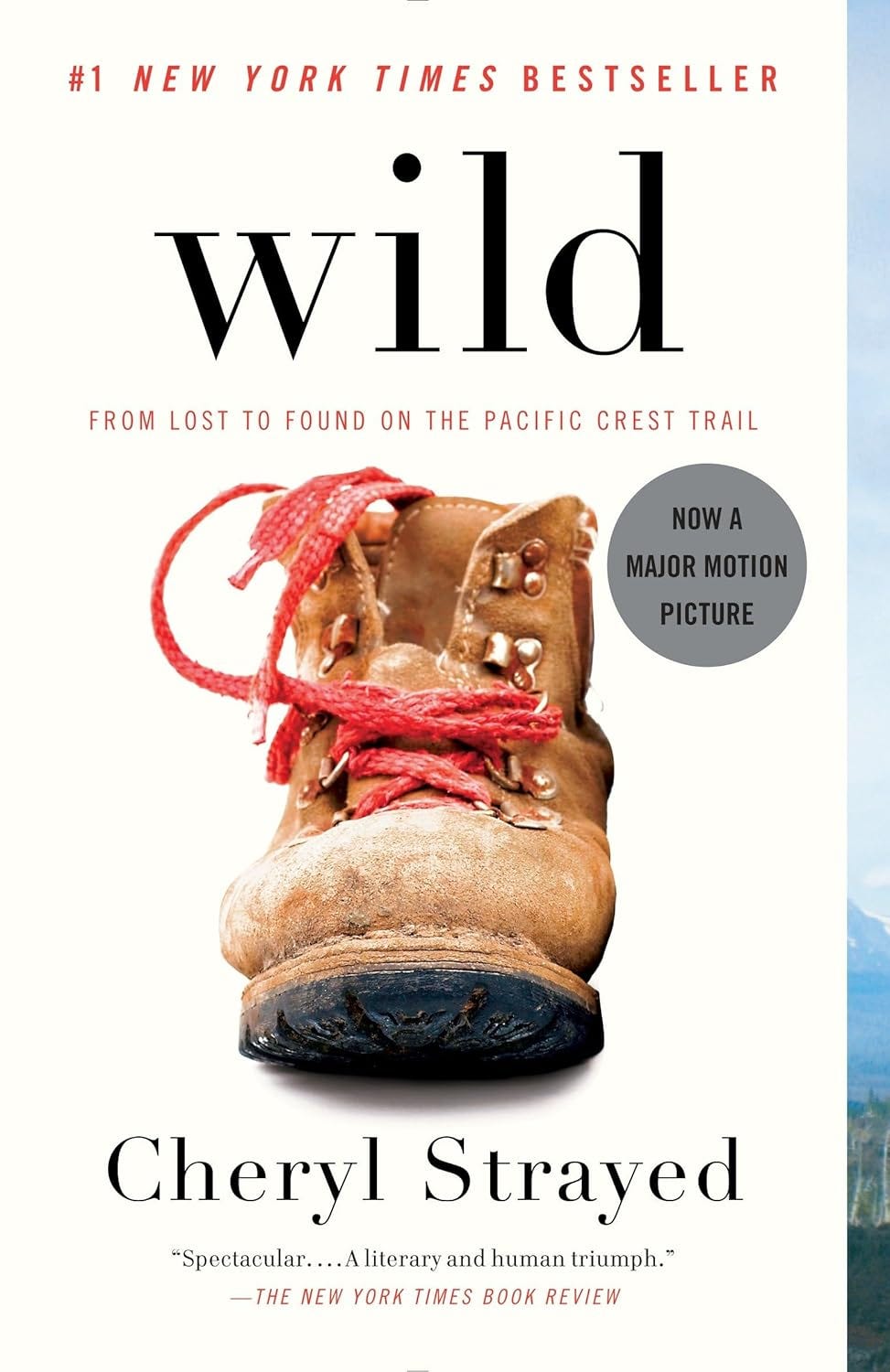
Wild: From Lost to Found on the Pacific Crest Trail
By Cheryl Strayed
This account of one woman’s quest to hike the Pacific Crest Trail, from the Mojave Desert to Washington, is the best hiking book on this list. Cheryl Strayed’s memoir captures the stark challenges and rewards of long-distance backpacking—bloody feet, awe-inspiring views, kind acts by strangers. But the book is more than just an adventure chronicle, as Strayed ventures forward through the outdoors she also looks back and comes to grips with an often difficult past.
Unbroken: A World War II Story of Survival, Resilience, and Redemption
By Laura Hillenbrand
Laura Hillenbrand’s book about lieutenant Louis Zamperini is one of the most amazing wartime survival stories out there. Zamperini was in a plane that crashed into the Pacific Ocean in May of 1943. The bombardier and a colleague survived nearly seven weeks drifting on the ocean, only to be captured by Japanese soldiers and put in prison camps. His story of endurance through all of that, and more, is a 20th century odyssey that often defies belief.
Ghost Wave: The Discovery of Cortes Bank and Biggest Wave on Earth
By Chris Dixon
Before Nazaré captured the attention of big wave surfers as the ideal place to ride a giant, a select group of surfers set their eyes off California on a spot called Cortes Bank. Chris Dixon shares the gripping stories of the surfers there who were set on riding the Earth’s biggest wave—which forms over a submerged island 100 miles off the coast. But the book is more than just a surf tale, as Dixon shares the history of the fishermen, divers, and others who first explored the place, and describes the unique environmental conditions that allow mutant waves to form there.
The Wager: A Tale of Shipwreck, Mutiny and Murder
By David Grann
In 1741 a British vessel dubbed the Wager wrecked on an island off the coast of Chile. Many of its original 250 crew members, who left England in 1740, had already died by the time of the shipwreck. But those that survived endured starvation and infighting before taking different routes back to civilization—where they told conflicting accounts of murder and mutiny. In telling their tale, David Grann writes one of the most dramatic historical adventures on this list, and crafts a story about the importance of bringing the truth to light.
Another notable title by Grann: The Lost City of Z
Deep Survival: Who Lives, Who Dies, and Why
By Laurence Gonzales
In the early part of this century, I wrote a decent number of survival stories for Outside magazine. When another editor found out I had been assigned such pieces, he suggested I read this book. In it, Gonzales combines gripping narratives with scientific insights to explain why some people survive life-threatening situations, and others don’t. The captivating and informative read—which includes stories on soldiers and civilians, and tales from peaks to the ocean—influenced how I reported and wrote survival stories.
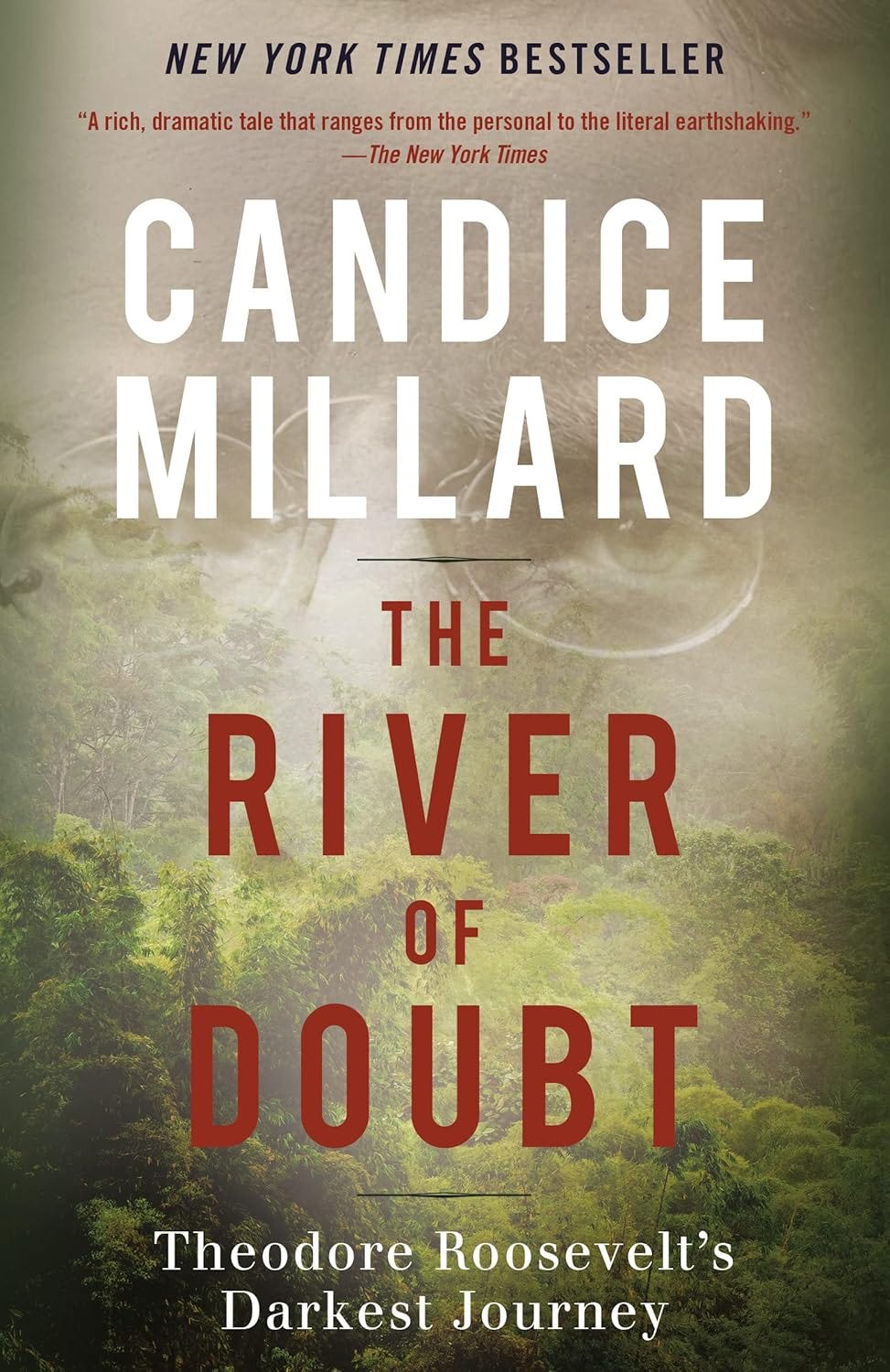
The River of Doubt: Theodore Roosevelt’s Darkest Journey
By Candice Millard
After serving two terms, and losing a bid for a third, former president Theodore Roosevelt set out to explore one of the most dangerous rivers on earth. A team that included his son and a notable Brazilian explorer planned to notch a first descent of a mighty tributary of the Amazon. Three men died in the attempt, which was rife with hardships and challenges. Candice Millard’s suspenseful account captures the difficulty of the expedition, and paints an in-depth portrait of the former president and the risks he was willing to take.
The Boys in the Boat: Nine Americans and Their Epic Quest for Gold at the 1936 Berlin Olympics
By Daniel James Brown
My sister Rose recommended this book when I was looking for a feel-good, nonfiction sports story. It chronicles how a team of rowers from the University of Washington went on to beat the German team rowing for Adolf Hitler at the Olympics. I was struck by the level of detail about one of the central characters, Joe Rantz, as he pushed himself to excel. The book reads fast as it details the efforts of the young athletes and chronicles the races they compete in, and I’d recommend it for the same reasons my sister did, that it is a good, quick, uplifting read.
Moneyball: The Art of Winning an Unfair Game
By Michael Lewis
Michael Lewis by now has a well-earned reputation for taking topics no one would seem to care about and crafting entertaining narratives around them. In Moneyball, he’s at his best, describing how new methods—at the time—were being used to scout and sign players on a budget. The book revolves around the Oakland A’s and their manager Billy Beane, who spent less money than their competitors, but came out ahead of them in the standings.
Another notable book by Lewis: The Blind Side
The Wave: In Pursuit of the Rogues, Freaks, and Giants of the Ocean
By Susan Casey
While this book vividly follows the exploits of Laird Hamilton and his fellow big wave surfers, it is so much more than just a surf book. Susan Casey explains the science of giant waves, from those in the open ocean to those that break just offshore. The author is one of the best ocean journalists out there—see The Devil’s Teeth, The Underworld (on my list of the best science and nature books)—as this work proves.
Where Men Win Glory: The Odyssey of Pat Tillman
By Jon Krakauer
It’s easy to forget just how big a story the enlistment and wartime death of former Arizona Cardinal Pat Tillman was. After 9/11, the then professional football player turned down a multi-million-dollar contract and joined the Army. Later, he was killed by friendly fire in Afghanistan, a fact that was kept quiet for quite some time. In this book, Jon Krakauer chronicles Tillman’s life and death—and the aftermath of it—in stunning detail.
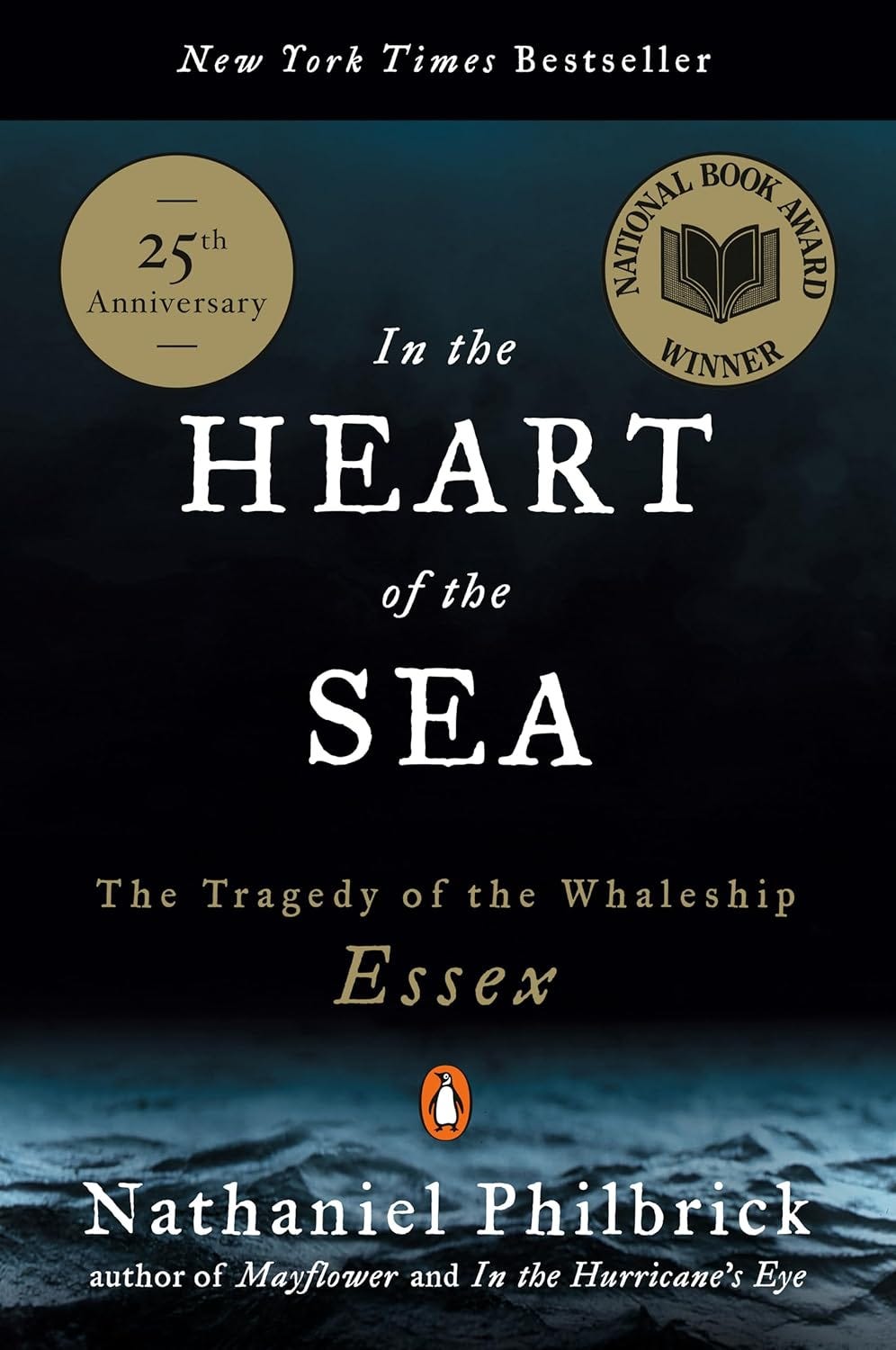
In the Heart of the Sea: The Tragedy of the Whaleship Essex
By Nathaniel Philbrick
Nathaniel Philbrick won the National Book Award for this account of the whaleship Essex, which was rammed and sunk by a sperm whale in 1820. That story was said to be the inspiration for Herman Melville’s great novel Moby-Dick. Philbrick crafts one of the best historical titles on this list by capturing a picture of Nantucket, whaling, and what happened on that fateful voyage and during the survival epic that followed.
Between a Rock and a Hard Place
By Aron Ralston
Could you ever cut off your own limb if you were trapped? That’s exactly what 27-year-old Aron Ralston did after a boulder fell and trapped his right hand and wrist against a canyon wall. He was stuck for more than five days before cutting his arm off and escaping, and surviving to tell his tale. He shared his epic story in a feature for Outside magazine, and went into more detail in the book. I remember also going to see the movie, 127 Hours, about the ordeal while a staffer at Outside. It was good, but the book is better.
Eddie Would Go: The Story of Eddie Aikau, Hawaiian Hero and Pioneer of Big Wave Surfing
By Stuart Holmes Coleman
Native Hawaiian waterman Eddie Aikau is a legend in the Aloha state, and deservedly so. He rode giant waves, saved hundreds of lives as a lifeguard on Oahu’s North Shore, and lost his own life trying to save the crew of the Hōkūle‘a, a traditional Polynesian canoe that capsized while sailing from Hawaii to Tahiti. After New York editors rejected Stuart Holmes Coleman’s manuscript, he took a chance by forming a company and publishing this book himself. Following promising sales, St. Martin’s Press agreed to publish a paperback, thankfully bringing Aikau’s remarkable story to a wider audience.
Born to Run: A Hidden Tribe, Superathletes, and the Greatest Race the World Has Never Seen
By Christopher McDougall
In this book, author Christopher McDougall highlights the amazing running capabilities of the Tarahumara Indians in Mexico’s Copper Canyons, discusses running injuries, and explores the science and history of distance running. The book was a huge commercial success and spent several months on The New York Times Best Sellers list. While some of its ideas were controversial—for example, the book promoted barefoot running as an exercise that could help athletes avoid injuries—many led to healthy debates about the best ways to run.
Endure: Mind, Body, and the Curiously Elastic Limits of Human Performance
By Alex Hutchinson
I selected more sports science books for this list than similar collections might include, but I geek out on titles that dissect athletic achievements and explore our limits. Alex Hutchinson is well versed in doing both these things, as the Sweat Science columnist—formerly for Runner’s World and currently for Outside. In Endure he masterfully breaks down recent research and details the performance of elite athletes as he shares how our minds and bodies can work together to help us push harder.
Brothers on Three: A True Story of Family, Resistance, and Hope on a Reservation in Montana
By Abe Streep
In this book, author Abe Streep shares the stories of the members of the Arlee Warriors, a high school basketball team on the Flathead Indian Reservation in Montana. Much of the book focuses on two talented players, Will Mesteth, Jr. and Phillip Malatare, but Streep often moves beyond them, into the lives of their teammates, families, and the community at large. To get a sense of the story, you can read Streep’s excellent feature article about the team in The New York Times Magazine. Don’t worry. It won’t ruin the book, which extends deep into the lives of the young men, even after they graduate high school.
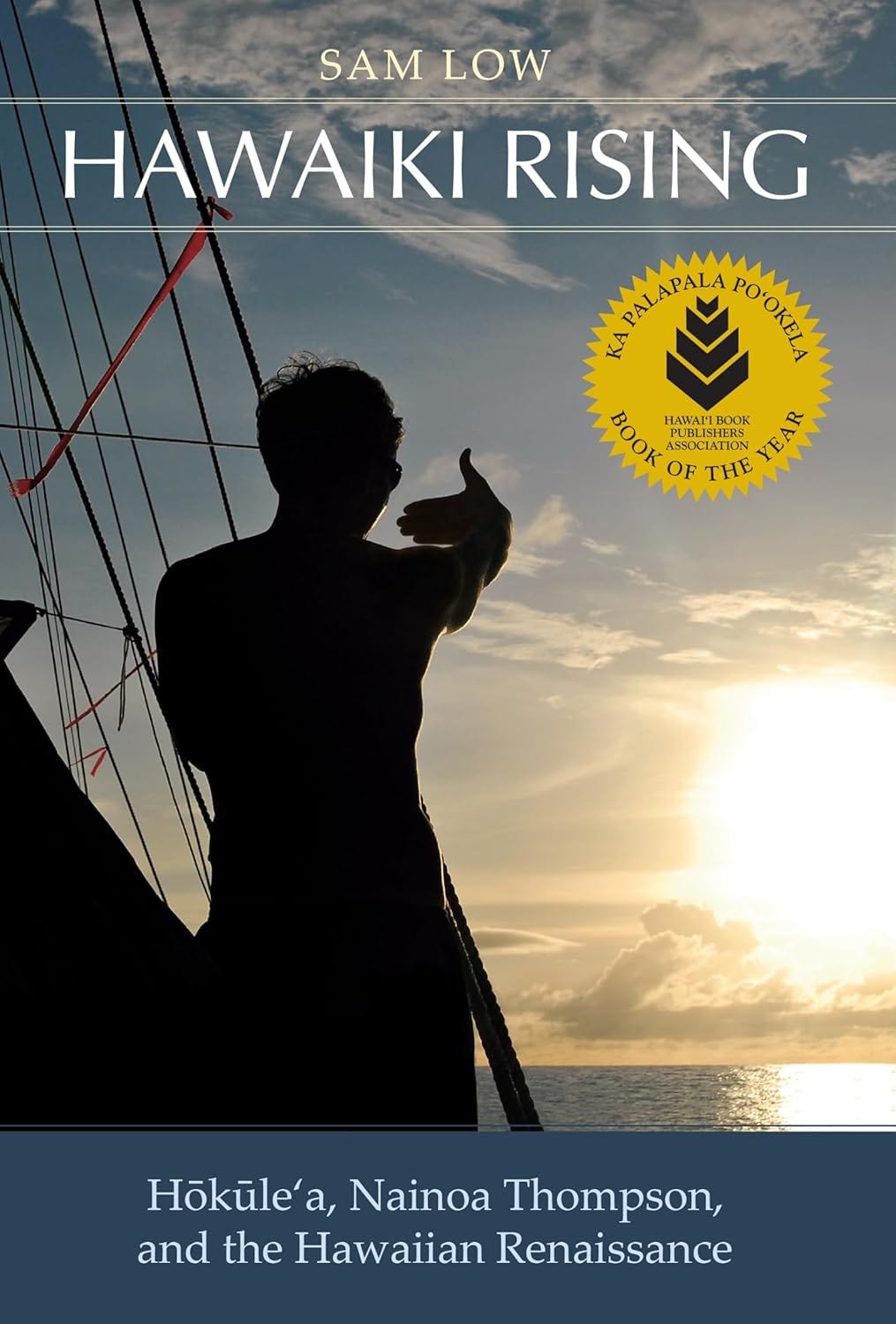
Hawaiki Rising: Hōkūleʻa, Nainoa Thompson, and the Hawaiian Renaissance
By Sam Low
In the mid-1970s, an ancient Hawaiian canoe—Hōkūleʻa—was built and then launched on expeditions across the Pacific. The navigators aboard it used only natural cues—the swells, the winds, the stars, the colors of the sky on the horizon, seabirds flying home—to guide it. During its journeys, the crews fought, struggled through storms and the doldrums, got violently seasick, and endured the same trials their ancestors did—some of those episodes turning tragic. One heroic crew member, Eddie Aikau, died. Much of the book follows Nainoa Thompson, a driven young man who navigates the boat from Hawaii to Tahiti, becoming the first Hawaiian in a thousand years to achieve such a feat. (Look on a large map to get a sense of how amazing an accomplishment this is.) The book chronicles Thompson’s fears, failures, hard work, and triumphs as he becomes one of the most respected Hawaiians in history.
What about you? What’s your favorite sports or adventure book of the last 25 years?
And if you know anyone else who might like the Field and Lab newsletter, please share it.
Thanks for reading,
Joe
As an Amazon Associate I earn from qualifying purchases.
I will never stop praising barbarian days, such an amazing book.
I would definitely include Into Thin Air by Jon Krakauer. It is a powerful telling of the 1996 disaster on Mount Everest.